
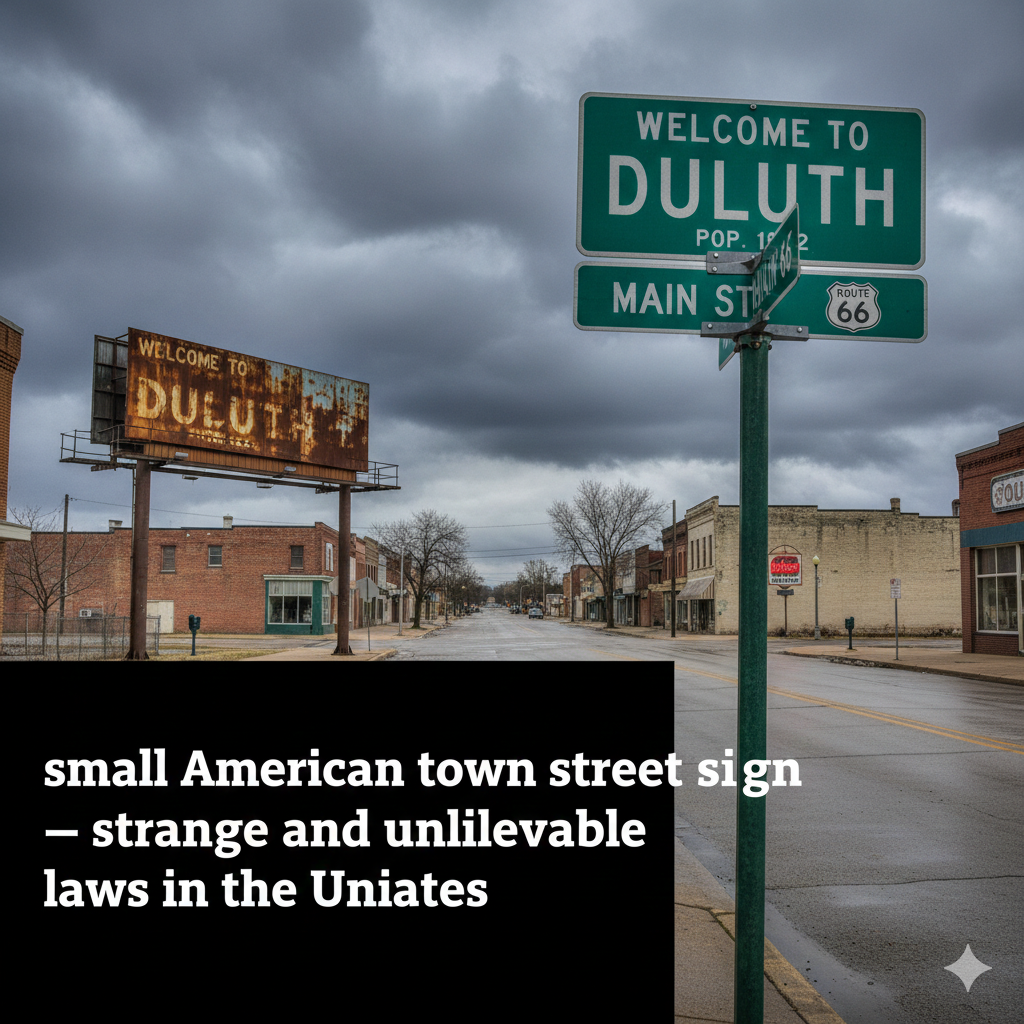
The United States is famous for freedom, but hidden inside that freedom is a collection of laws so strange that many people refuse to believe they exist. Yet, some of them are very real — and still technically enforceable.
Take, for example, the often-cited law from a small town in Norway, Michigan, where it’s said to be illegal to die within city limits. While the rule originated decades ago due to the town lacking a cemetery, the law was never officially removed. Of course, no one has ever been arrested for dying — but the rule remains on the books.
Across the country, similar bizarre laws continue to exist.
In Arizona, it’s illegal for a donkey to sleep in a bathtub.
In Alabama, carrying an ice cream cone in your back pocket can technically get you fined.
In California, animals are not allowed to mate publicly within 1,500 feet of a school.
These laws sound like jokes, but many were created to solve very specific problems decades ago — and then simply forgotten.
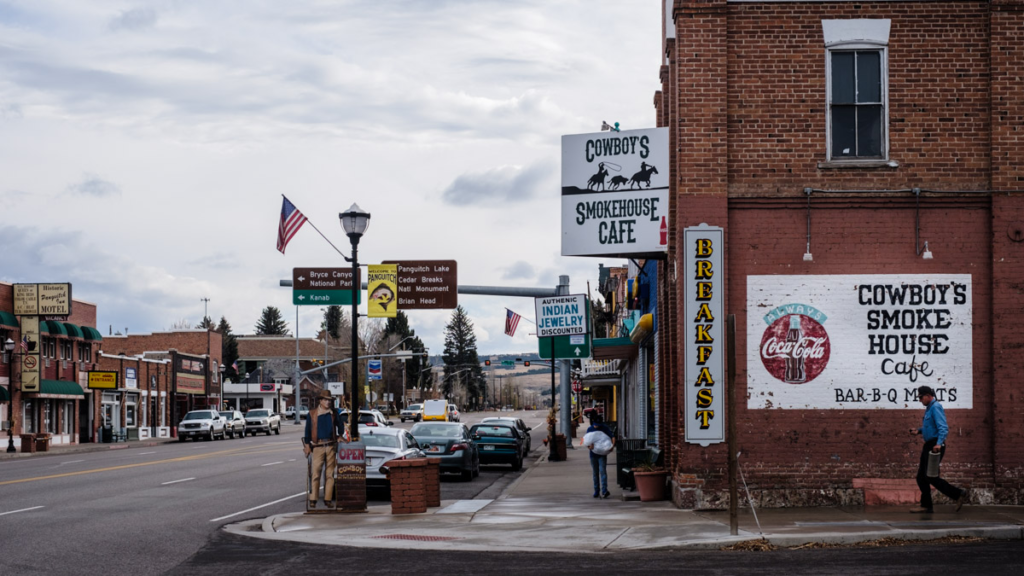
Our fictional story follows Mark, a tourist driving cross-country who stopped in a tiny Midwestern town to stretch his legs. While chatting with a local shop owner, he laughed at a sign listing “local ordinances.” The owner didn’t laugh back. “They’re real,” she said. “They just don’t enforce them anymore… usually.”
That word — usually — is what makes people uncomfortable.
The truth is, American law operates on layers. Local laws, state laws, and federal laws often overlap, contradict, or simply age badly. Removing them requires legal effort and money, so many stay buried in old documents.
For visitors and immigrants, this creates moments of disbelief and confusion.
“How can this be a real rule?”
“Why hasn’t anyone changed this?”
Because in America, laws don’t disappear easily — they just wait quietly until someone stumbles upon them.
And sometimes, reality really is stranger than fiction.