
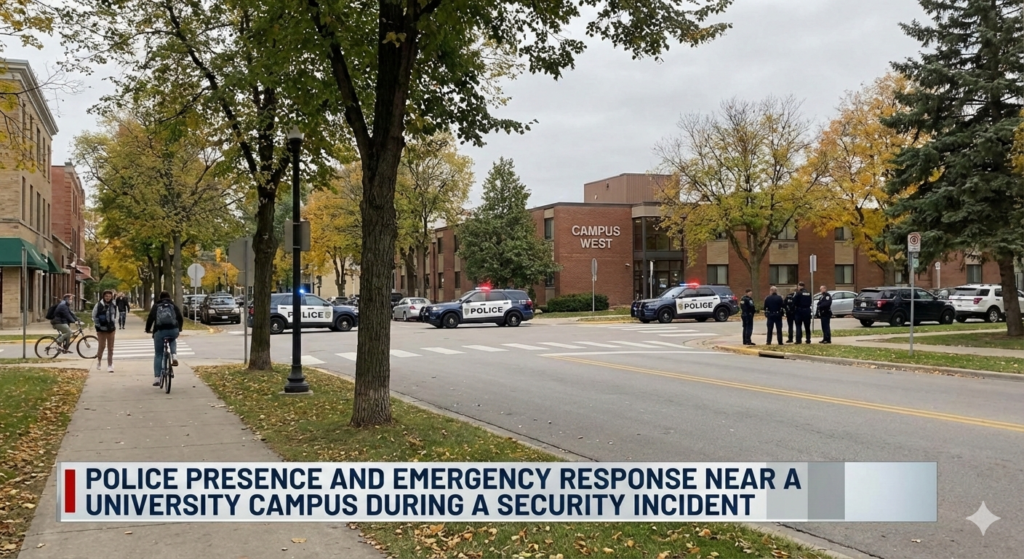
Why do people do this?After attacks like those at Brown University in the United States and the recent incident in Australia, the same question echoes across communities, newsrooms, and social media. When violence erupts in places meant for learning, celebration, or everyday life, people search for meaning — and for ways to prevent the unthinkable from happening again.Experts who study violent behavior agree on one thing: there is rarely a single cause. Instead, these acts often result from a convergence of factors that build over time, sometimes unnoticed.

One of the most common elements is social isolation. Many attackers experience prolonged feelings of alienation, rejection, or invisibility. When individuals feel disconnected from family, community, or society, resentment can grow unchecked. In some cases, this isolation is accompanied by a mental health crisis, where warning signs — such as extreme mood changes, fixation on violence, or explicit threats — are overlooked or dismissed.Another critical factor is extremist ideology, which can take many forms. In certain cases, individuals become influenced by rigid belief systems that frame violence as justified or necessary. This may include the misuse of religion, where religious ideas are distorted or weaponized to legitimize harm. It is important to emphasize that religion itself does not cause violence; rather, it is the radical interpretation or ideological manipulation of beliefs that can push vulnerable individuals toward destructive actions.

Across multiple investigations, authorities often find that warning signs were present before the attack. These may include troubling statements online, sudden behavioral changes, obsession with past attacks, or expressions of hatred. Unfortunately, such signals are sometimes ignored, underestimated, or not reported in time.Understanding these patterns does not excuse violence — but it does help societies respond more effectively.Equally important is knowing how to behave during an emergency. Safety experts recommend staying aware of your surroundings and paying close attention to official alerts and instructions. In a developing incident, avoiding panic can be lifesaving. Move away from danger if possible, find secure shelter, and follow guidance from authorities. Helping others only when it is safe to do so can also reduce harm.Information plays a crucial role. In moments of crisis, verified information saves lives, while rumors and speculation can create confusion and fear. Relying on trusted sources and official communications helps individuals make better decisions under pressure.Violent incidents leave deep scars on communities, but understanding the causes — and knowing how to respond — can strengthen collective resilience. While no society can eliminate all risk, awareness, early intervention, and responsible information-sharing remain some of the most effective tools for prevention.