
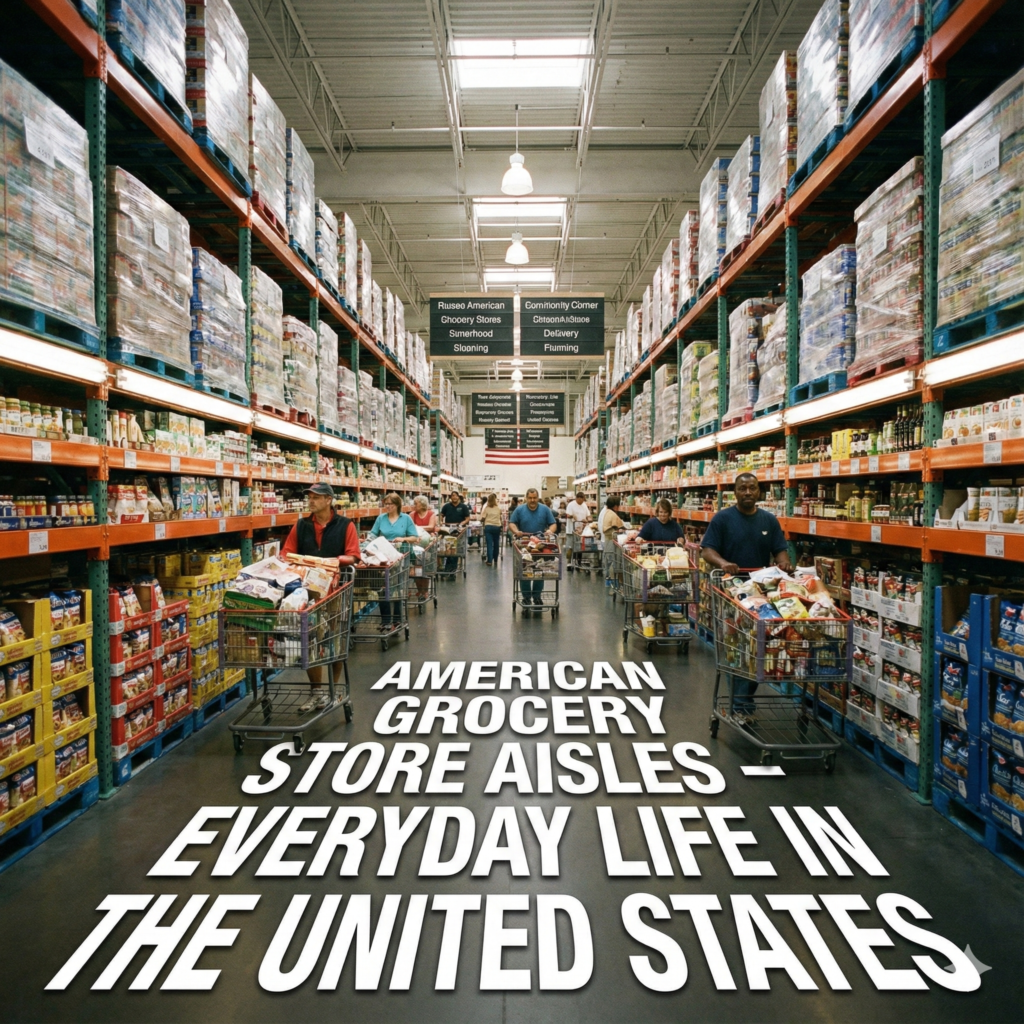
A simple trip to the supermarket reveals one of the biggest surprises for immigrants in the U.S.
When people imagine life in the United States, they often picture convenience, quality and abundance. And yes, those things exist. But the moment an immigrant walks into an American grocery store for the first time, reality hits differently — especially when the cashier reads the final price.
A gallon of milk that used to cost three dollars now costs six. A pack of chicken that looks cheap at first suddenly doubles at checkout after taxes. Fruits and vegetables, which many assume would be cheaper in a “rich country,” are often surprisingly expensive. Even basic items — bread, eggs, rice — fluctuate constantly depending on the state, the store and the week.
For many newcomers, the first grocery trip becomes a moment of shock, confusion and recalculation.
“How can I eat healthy if healthy food costs so much?”
“Why is everything priced differently every time I come here?”
“Is it just me, or is this getting worse?”
But the truth is deeper.
Americans themselves face this struggle daily. Food prices in the U.S. have risen more than 20% in the last few years, and families across the country have changed habits: buying in bulk, switching brands, using coupons, or driving long distances for discounts.
And yet, despite the cost, the supermarket is also where immigrants begin to understand American culture.
It’s where you realize:
— People buy in huge quantities
— Frozen food aisles are massive
— Everything has multiple versions
— Snacks and sugar dominate entire walls
— Cashiers bag items fast and efficiently
— No one brings their own bags in many states
— People use self-checkout like it’s nothing
The grocery store becomes a classroom.
A place where you learn the rhythm of the country, its habits, its pressures and its contradictions.
And somewhere between the cereal aisle and the produce section, you start to understand the real America — not the one from TV, but the one built on daily choices, silent struggles and small victories.